Beyond The Last Signal: Uncovering fragmented truths
Dive into the mystery of "The Last Signal," a documentary-style film that explores disappearance, memory, and the elusive nature of truth. Prepare for a viewing experience that challenges perceptions and leaves you questioning everything.
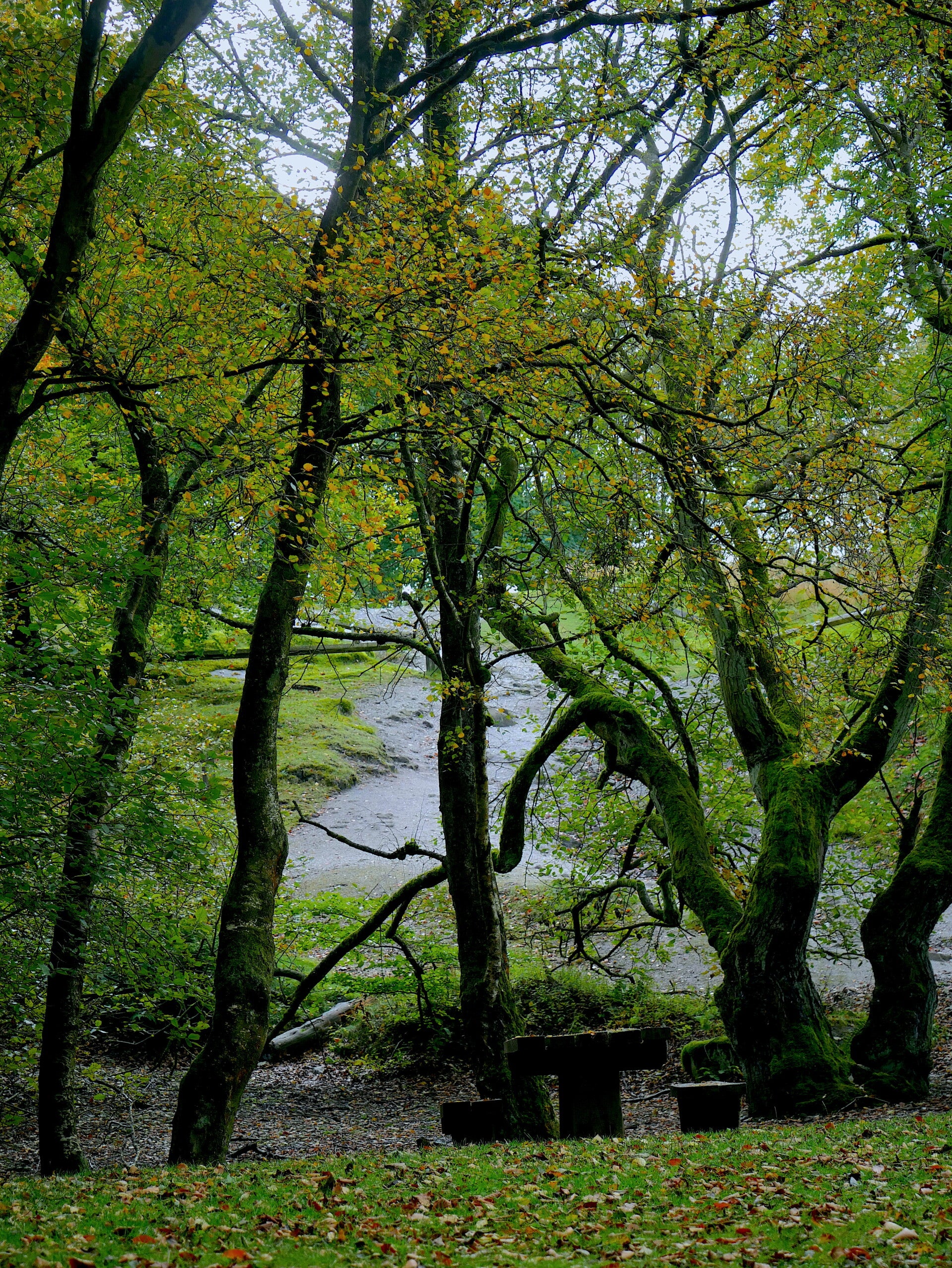
The Last Signal: A documentary-style mystery
"The Last Signal" is an independent, documentary-style mystery film, expertly written and directed by Stuart Wheeldon. Blending the compelling storytelling of true-crime with innovative, improvised performances, the film delves into the unexplained disappearance of an ordinary man and the fragmented truths he leaves behind. It's a journey into the heart of an unsolved mystery, where every perspective offers a piece of the puzzle, but none provides the complete picture.
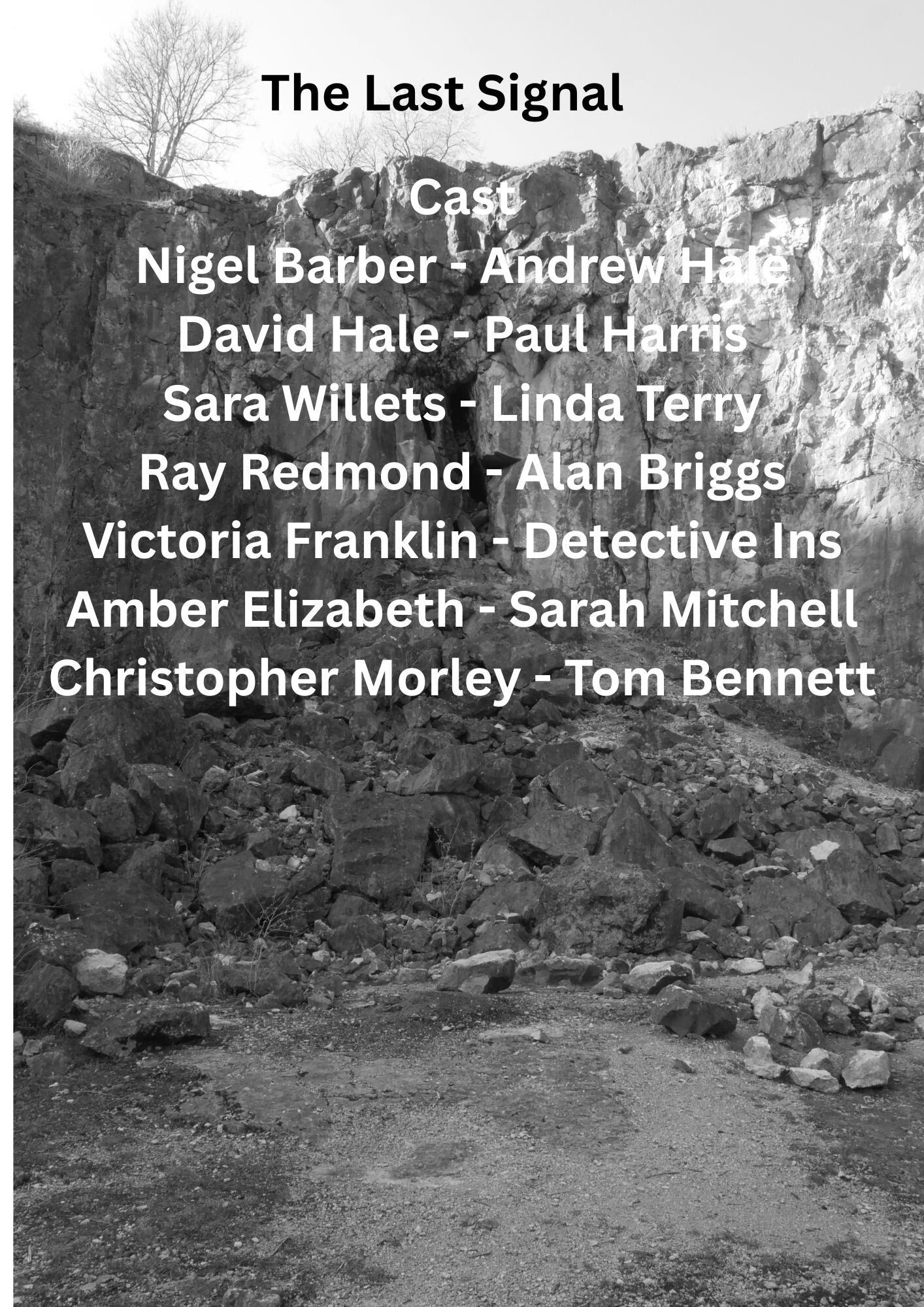
Who will be captivated?
"The Last Signal" is an insightful exploration of how stories are pieced together through memory and individual perspective. This film is not for those seeking easy answers; instead, it thrives on contradiction, suggestion, and absence. Each character offers their version of events, yet no single account provides the full truth. The intention is to create an authentic and unresolved viewing experience, prompting the audience to consider not just what happened, but how easily truth can become obscured over time. If you appreciate narratives that challenge your perceptions and encourage deep thought, this film is for you.

The vanishing point: Daniel Hodges last signal
Three years ago, Daniel Hodge vanished without a trace. His car was discovered near a remote quarry on the edge of town, his phone's last signal originating from within the quarry itself. Despite extensive searches, Daniel and his phone were never recovered. The case remains unsolved.
"The Last Signal" follows a filmmaker revisiting this disappearance, interviewing those who knew Daniel and those involved in the investigation. Through a series of interviews, a fragmented portrait of Daniel emerges, with each account offering a subtly different version of who he was. As memories conflict and new details surface, the film gradually transforms from a reflection into an active investigation, raising crucial questions about Daniel’s final days, the people around him, and whether he truly went to the quarry alone.
The film is constructed using structured improvisation rather than a traditional scripted format. Actors are provided with a character background, allowing for a raw and authentic narrative to unfold.
Create Your Own Website With Webador